Compare Local Contractors for House Roof Installation Success
Compare local contractors to define project scope, verify experience, and set clear expectations for your house roof installation.
House roof installation involves more than just placing new shingles or roofing materials on a property. It typically encompasses assessing the existing structure, preparing the roof deck, installing underlayment, and applying the chosen roofing system to ensure durability and weather resistance. Depending on the project, contractors may also handle related tasks such as replacing fascia, installing ventilation systems, or addressing structural repairs to support the new roof. Clear communication about the scope of work helps property owners understand what is included and ensures that all necessary components are addressed during the project.
Defining the scope of roof installation work is essential to establishing clear expectations and avoiding misunderstandings. Property owners should work with contractors to specify exactly what is included, such as the type of roofing materials, surface preparation, and any additional repairs or upgrades. Having this information in writing provides a reference point throughout the project, helping to prevent scope creep and ensuring that both parties have a shared understanding of the work to be performed. Properly outlining the scope also assists in verifying that the chosen service provider has relevant experience with the specific requirements of the job.
When comparing local contractors for house roof installation, property owners should consider factors such as experience with similar projects, reputation within the community, and the quality of work demonstrated in previous jobs. It’s helpful to review any available references or portfolios and to ask service providers about their familiarity with local building codes and common roofing challenges in the area. Comparing how contractors approach scope definition and their ability to communicate clearly can also provide insight into their professionalism and reliability. Gathering this information allows property owners to make informed decisions and select service providers who are well-equipped to handle the specifics of their roofing needs.
Compare local contractors by defining your project priorities, verifying experience, and establishing clear written expectations.
- Compare Contractor Experience - Review the background and project history of local contractors to assess their expertise in roof installation.
- Define Project Scope Clearly - Establish detailed work requirements and expectations to ensure clarity and alignment.
- Verify Credentials and References - Check references and previous work to confirm the reliability and quality of local service providers.
- Document Agreements in Writing - Ensure all project details, responsibilities, and expectations are documented to prevent misunderstandings.
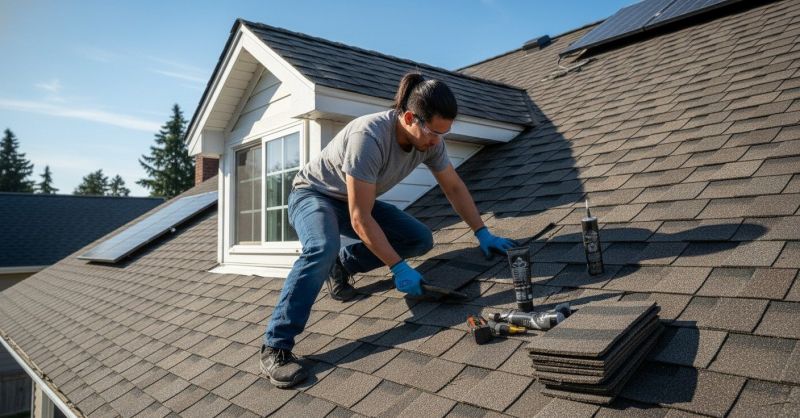
Clearly define your roof installation project and compare local contractors based on experience and written expectations.
- Verify experience and references for house roof installation projects handled by local contractors. Ensure scope of work is clearly defined and documented in writing before work begins. Compare multiple local service providers to assess their expertise and quality of previous roof installations. Confirm that the contractor’s proposed materials and methods meet your project’s requirements and standards. Discuss and agree upon project expectations, including cleanup and site protection, in a detailed written contract. Check for transparency in communication and responsiveness from local contractors during the planning phase.
Use this to compare local contractors, clarify project scope, verify experience, and set clear expectations.
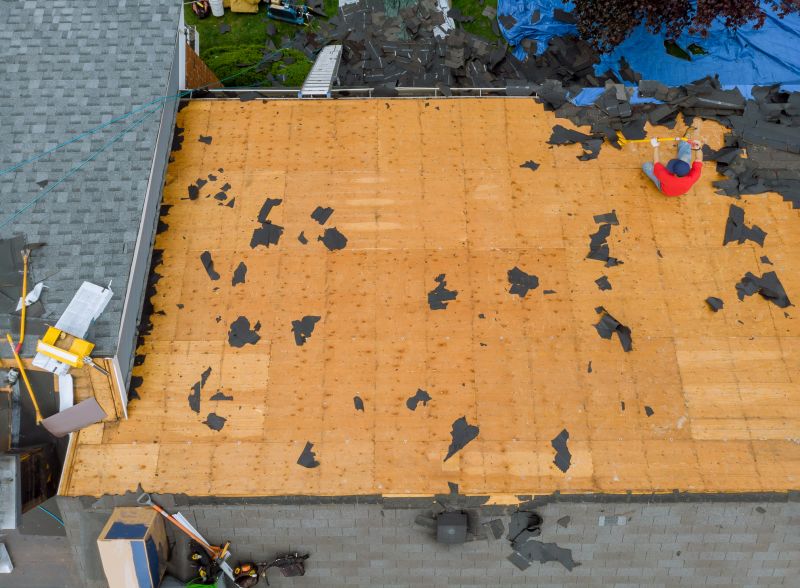

Use clear, consistent scope definitions and verify contractor experience to ensure accurate comparisons across local service providers.
- Scope Definition - clearly outline the specific tasks and materials involved in the roof installation project.
- Material Selection - specify the types and quality of roofing materials to be used during installation.
- Experience Verification - confirm that the service providers have relevant experience with house roof installations.
- Work Specifications - detail the quality standards, workmanship expectations, and any necessary building codes to be followed.
- Written Agreement - ensure all project details, scope, and expectations are documented in a formal contract.
When comparing contractors for house roof installation, it’s important to evaluate their experience with similar projects. Homeowners should seek service providers who have a proven track record of completing roof installations on homes comparable in size, style, and complexity. Asking about past work examples or references related to projects like yours can help gauge a contractor’s familiarity with specific roofing materials and techniques. This insight ensures that the contractor understands the unique requirements of your home and can deliver results aligned with your expectations.
A clearly written scope of work is essential for setting the right expectations and avoiding misunderstandings. Homeowners should look for contractors who can provide a detailed description of the services included, such as tear-off procedures, material specifications, installation methods, and cleanup processes. A comprehensive scope helps ensure that both parties are aligned on what will be done, reducing the risk of surprises or incomplete work. Clear documentation also serves as a foundation for evaluating proposals and making informed decisions based on the extent of services offered.
Verifying basic aspects of a contractor’s background is a key step in the comparison process. Homeowners should confirm that service providers have the necessary experience, proper insurance coverage, and a good reputation within the community. Checking references or reviews can provide insights into the contractor’s reliability, quality of work, and adherence to project details. It’s also helpful to verify that the contractor is willing to provide written confirmation of the scope, warranties, and any other important project specifics, which can serve as a reference point throughout the project.
Evaluating options without focusing on prices involves assessing the quality of service, communication, and professionalism. Homeowners should consider how well each contractor responds to inquiries, the clarity of their proposals, and their willingness to answer questions about the scope and process. Comparing the level of detail in their written descriptions and their approach to project management can reveal which service providers are most organized and transparent. By focusing on these aspects, homeowners can select a contractor who demonstrates expertise, clear communication, and a thorough understanding of the project’s requirements.
Ask contractors to provide written scope details to ensure clear understanding and consistent expectations.
- Experience and References - How can I verify a contractor’s previous house roof installation projects and reputation?
- Scope of Work - What specific tasks and materials should be included in the scope to ensure clarity?
- Warranty and Guarantees - What coverage do local contractors typically offer for roof installation work?
- Materials and Techniques - How do different roofing materials and installation methods impact the scope and quality of the project?
- Written Agreements - How can I ensure all project details, expectations, and responsibilities are clearly outlined in a contract?
How can I compare roof installation contractors effectively? To compare local contractors, review their experience, verify references, and examine their scope of work to ensure it aligns with project needs.
What should I look for to verify a contractor’s experience? Check how long the contractor has been performing roof installations and ask for examples of similar projects they have completed successfully.
How can I define the scope of my roof installation project? Clearly outline the type of roofing material, the extent of the work, and any specific requirements to help contractors provide accurate proposals.
Why is it important to have the project scope in writing? Having the scope documented helps prevent misunderstandings, sets clear expectations, and provides a reference for the work agreed upon.
What questions should I ask when evaluating potential contractors? Inquire about their experience with similar projects, the materials they recommend, and how they handle unforeseen issues during installation.
How can I ensure the contractor meets my project expectations? Communicate your requirements clearly, request detailed proposals, and confirm that all project aspects are documented before work begins.
Understanding the key steps involved in hiring contractors for house roof installation can help ensure a smooth process. Visitors learned how to define the scope of work, verify the experience of service providers, and set clear expectations in writing to facilitate a successful project. Comparing multiple local contractors allows for a better understanding of options and helps identify the best match for specific needs.
Using the quote form provides an easy way to connect with local contractors who can handle roof installation projects. It offers a straightforward method to explore available options, compare service providers, and find the right fit for the job. Taking this step can support making informed decisions when selecting a contractor for roof installation.